
Introduction: Your Weight Loss Game Changer
Picture this: You’ve tried every diet under the sun, bounced between workout trends, and still can’t crack the weight loss code. What if I told you the secret isn’t in some magical pill or extreme workout routine, but in understanding a simple concept called calorie deficit?
Let’s be real – weight loss can feel like solving a complex puzzle. But today, we’re going to break down everything you need to know about calorie deficit, transforming it from a confusing fitness term to your ultimate weight loss strategy.
What Exactly is a Calorie Deficit?
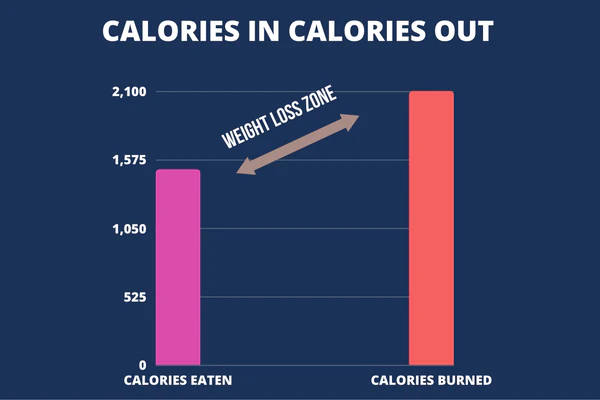
A calorie deficit occurs when you consume fewer calories than your body burns. Think of your body like a car – it needs fuel to run, but if you’re putting in less fuel than you’re using, you’ll start burning stored energy (hello, body fat!).
The Science Behind Calorie Deficit
Let’s dive a bit deeper into the metabolic magic happening inside your body. Every single day, your body requires energy to perform basic functions like breathing, circulating blood, maintaining body temperature, and powering your brain. This baseline energy requirement is called your Basal Metabolic Rate (BMR).
On top of your BMR, you burn additional calories through:
- Physical activity
- Digesting food (thermic effect of food)
- Non-exercise activity thermogenesis (NEAT) – think fidgeting, walking, even standing
When you create a calorie deficit, you’re essentially telling your body, “Hey, we don’t have enough incoming fuel, so let’s tap into our energy reserves” – and those reserves? They’re stored as fat.
How Does Calorie Deficit Work?
Imagine your body is a bank account, but instead of money, we’re talking calories:
- Calories IN: What you eat and drink
- Calories OUT: What you burn through daily activities and exercise
When calories in < calories out = Calorie Deficit ✅ When calories in = calories out = Maintenance ➡️ When calories in > calories out = Weight Gain ⬆️
The Deeper Dive: Metabolic Adaptation
Insert image of metabolic processes and energy flow here
Your body is incredibly smart and designed for survival. When you consistently maintain a calorie deficit, your metabolism doesn’t just sit back – it adapts. This process, called metabolic adaptation, means your body becomes more efficient at using fewer calories.
Here’s what happens:
- Decreased hormone levels that regulate metabolism
- Reduction in muscle mass (if deficit is too extreme)
- Lower energy expenditure during rest and physical activity
This is why simply cutting calories isn’t enough – you need a strategic approach that preserves muscle mass and keeps your metabolism firing.
Calculating Your Personal Calorie Deficit
How to Find Your Magic Number
- Calculate Your Basal Metabolic Rate (BMR)
- This is how many calories you burn just existing
- Factors include age, gender, height, and weight
- Use established formulas like the Harris-Benedict equation
- Determine Your Activity Level
- Sedentary: Multiply BMR by 1.2
- Lightly Active: Multiply BMR by 1.375
- Moderately Active: Multiply BMR by 1.55
- Very Active: Multiply BMR by 1.725
- Create Your Deficit
- Aim for 500 calories less than your total daily energy expenditure
- This typically leads to 1 pound of weight loss per week
The Safe Zone: How Much Deficit is Too Much?
| Deficit Level | Weekly Weight Loss | Safety Rating |
| 250 calories | 0.5 pounds | ✅ Very Safe |
| 500 calories | 1 pound | ✅ Safe |
| 750 calories | 1.5 pounds | ⚠️ Caution |
| 1000 calories | 2 pounds | 🚨 High Risk |
Pro Tip: Slow and steady wins the weight loss race. A moderate deficit is more sustainable and preserves muscle mass.
The Role of Macronutrients in Calorie Deficit
It’s not just about calories – quality matters. Your macronutrient breakdown can significantly impact your weight loss journey:
- Protein (4 calories/gram): Crucial for muscle preservation
- Aim for 0.8-1.2 grams per pound of body weight
- Helps you feel full
- Supports metabolism
- Carbohydrates (4 calories/gram): Your body’s preferred energy source
- Focus on complex carbs
- Provide sustained energy
- Support workout performance
- Fats (9 calories/gram): Essential for hormone production
- Choose healthy sources like avocados, nuts, olive oil
- Support nutrient absorption
- Crucial for hormone balance
Top Foods for Your Calorie Deficit Journey
Protein Powerhouses
- Chicken breast
- Greek yogurt
- Eggs
- Tofu
- Salmon
Fiber-Rich Favorites
- Broccoli
- Spinach
- Quinoa
- Black beans
- Berries
Healthy Fats
- Avocado
- Nuts
- Olive oil
- Chia seeds
The Psychological Side of Calorie Deficit
Weight loss isn’t just physical – it’s mental too. Creating a sustainable calorie deficit requires:
- Patience: Results take time
- Consistency: Small, daily choices matter more than perfection
- Mindset: View it as a lifestyle, not a temporary fix
- Flexibility: Allow occasional treats
- Self-compassion: Progress isn’t linear
Mental Strategies for Success
- Meal Planning: Reduces decision fatigue
- Progress Tracking: Beyond the scale (measurements, photos, energy levels)
- Support System: Share your goals with friends or join a community
- Stress Management: High stress can sabotage weight loss efforts
Product Recommendations to Support Your Journey
- Digital Food Scale
- Precision is key in calorie tracking
- Helps measure exact portion sizes
- Meal Prep Containers
- Portion control made easy
- Helps plan calorie-controlled meals in advance
- Fitness Smartwatch
- Track calories burned
- Monitor activity levels
- Motivate yourself daily
Common Myths Busted! 🚫
Myth: You need to starve yourself to lose weight Reality: A moderate, sustainable deficit is more effective and healthier
Myth: Calorie deficit will destroy your metabolism Reality: When done correctly, it actually helps optimize metabolic function
Potential Risks to Watch
While calorie deficit is powerful, listen to your body:
- Extreme fatigue
- Hair loss
- Mood changes
- Decreased workout performance
If you experience these, consult a healthcare professional.
Your Action Plan
- Calculate your personal calorie needs
- Create a moderate 500-calorie deficit
- Focus on nutrient-dense foods
- Stay consistent
- Track progress, not perfection

Conclusion: Your Weight Loss Journey Starts Now
Calorie deficit isn’t a quick fix – it’s a lifestyle. By understanding and implementing this strategy thoughtfully, you’re not just losing weight; you’re gaining health, confidence, and control. Sustainable weight loss comes from consistency, not deprivation, and focusing on nutrient-dense foods, mindful eating, and regular movement ensures long-term success. Rather than chasing fad diets, embrace small, lasting changes that support both your physical and mental well-being. Over time, a calorie deficit becomes second nature, empowering you to enjoy food without guilt while maintaining a balanced and healthy lifestyle. Remember, the goal isn’t just to lose weight—it’s to feel stronger, more energized, and in charge of your health for years to come.
Ready to transform your body? Your first step is understanding your unique calorie needs. Let’s do this! 💪
Disclaimer: Always consult with a healthcare professional before starting any new diet or exercise program.
Disclaimer: This article contains affiliate links, meaning I may earn a commission if you click through and make a purchase, at no extra cost to you.